
Kumarakom
Canals, lake horizons and locally hosted village experiences.
LETTERS · LATEX · LAKES
Where Knowledge Meets Nature.
അക്ഷരങ്ങളും പ്രകൃതിയും സംഗമിക്കുന്ന നാട്.
From the tranquil backwaters of Kumarakom and lush rubber plantations to historic churches, literary landmarks and timeless traditions, discover the extraordinary heritage of Kottayam.
Explore Kottayam
LAKE · CULTURE · HIGHLANDS
Canals, lake horizons and locally hosted village experiences.

Temple architecture and the celebrated Ezhara Ponnana tradition.

A sacred landmark beside the remembered roads of social reform.

Discover the eastern hills through the existing landscape guide. Check access before travelling.

A surviving architectural chapter of the Meenachil region. Ask about visitor access.

A cascade near Teekoy. Follow current local access restrictions and keep away from the plunge pool.
THREE WAYS INTO A WORLD
The Essence of Kottayam

A college gateway, a page of type, a culture of reading. Follow Kottayam’s educational and publishing connections.
Explore Land of Letters
Beyond the rows of green: the skill of tapping, the work of growers and Kottayam’s rubber institutions.
Explore Land of LatexLet the water set the pace. Discover Kumarakom, the Vembanad shore and the livelihoods that keep village life moving.
Explore Land of LakesA STRUGGLE FOR EQUALITY
A struggle against caste-based exclusion from public roads. Learn about the campaign, its participants and the limits of its immediate settlement.
Explore the story
MANY FAITHS. SHARED LANDSCAPES.
Discover churches, temples, mosques and the traditions that give this district its many voices.
Explore heritageHISTORY & HERITAGE
From old regional centres to colleges, public libraries and social reform, follow a few documented turning points in the district’s story.
Explore Kerala’s historyThe district history connects the Malayali Memorial with a meeting at Kottayam Public Library.
Read the source ↗A campaign against caste-based restrictions on roads around the temple; the settlement opened three roads. This was not temple entry.
Read the source ↗Kottayam’s district history records its formation in July 1949, during the Travancore–Cochin integration.
Read the source ↗Kumarakom’s Responsible Tourism programme brought local livelihoods into the visitor experience.
Read the source ↗CELEBRATIONS & FESTIVALS
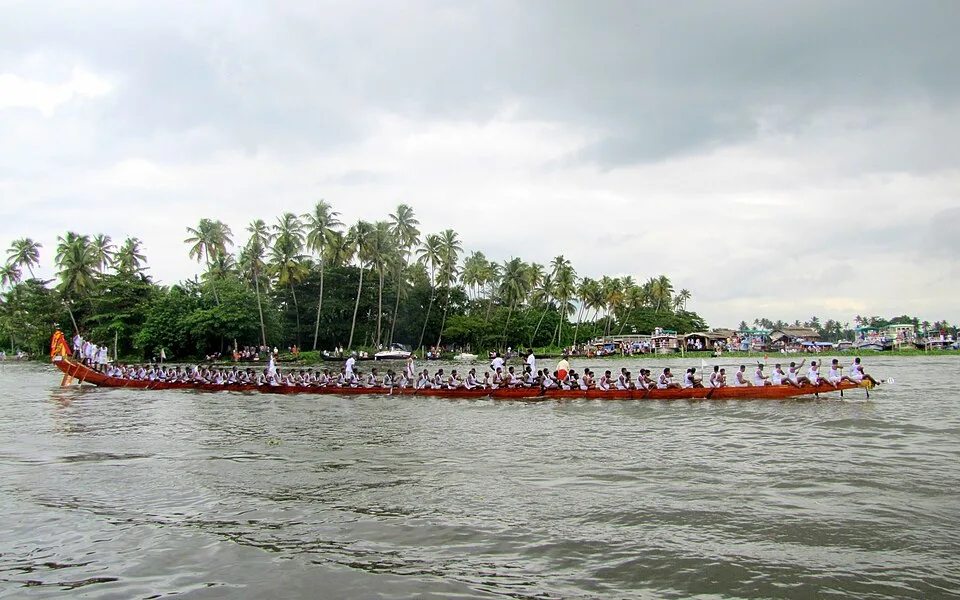
Temple festivals, church feasts, pilgrimages and boat-race traditions bring different communities together. Read the cultural profiles, then check confirmed editions in Kerala World Calendar; recurring customs do not establish a future date.
AN INTERACTIVE DISTRICT ATLAS
Follow the lake shore, towns and eastern hills. Open a place guide from the location list; the atlas shows only recorded map positions.
Choose a location on the map or in the list.
Open the Kerala AtlasDistrict locations are also available in the list below.
District boundary: geoBoundaries gbOpen / PathwaysData LGD, 2021. Map provenance · ODbL 1.0
THE ESSENCE OF KOTTAYAM
A college gateway, a page of type, a culture of reading. Follow Kottayam’s educational and publishing connections.
An educational trail begins at the college founded in 1817. Explore its institutional history before planning a campus visit.
Explore the storyThe college’s account describes Bailey’s work with Malayalam type and printing. The publishing story reaches beyond a single book or press.
Explore the storyThe district history connects this public space with the 1891 Malayali Memorial. Reading and civic life meet in the same chapter.
Explore the storyContinue through the existing university profile and its verified institutional links.
Explore the storyA general publishing journey. The college photograph represents educational heritage, not a documented printing demonstration.
A writer shapes a manuscript.
Author and editor refine structure and language.
Text becomes a page layout.
The approved layout is reproduced on paper.
Printed sheets become a book.
A publisher releases the edition.
Libraries, shops and readers continue its journey.
THE ESSENCE OF KOTTAYAM
Beyond the rows of green: the skill of tapping, the work of growers and Kottayam’s rubber institutions.
The National Institute for Rubber Training in Kottayam offers formal training. Arrange learning through the institute rather than treating a working plantation as a visitor site.
Explore the storyThe Rubber Board report describes Rubber Producers’ Societies and group processing centres. Read how shared facilities connect growers to processing.
Explore the storyAn introduction to agricultural work, not a tapping or chemical-processing manual. Training and current recommendations come from the Rubber Board.
Growers establish and care for plantations.
Trained workers collect latex from the bark.
Latex is gathered for processing.
Sheet production includes controlled coagulation.
Rolling forms sheets from the coagulated rubber.
Drying prepares the material for grading.
Graded rubber enters wider manufacturing networks.
THE ESSENCE OF KOTTAYAM
Let the water set the pace. Discover Kumarakom, the Vembanad shore and the livelihoods that keep village life moving.
Vembanad is part of a wider wetland landscape. Explore the existing geography record without treating the whole lake as belonging to one district.
Explore the storyUse the sanctuary’s permitted visitor routes. Seasonal birdlife varies; check current access and do not approach nesting sites.
Explore the storyLocal hosts connect visitors with waterways, crafts and working lives through Kumarakom’s Responsible Tourism experiences.
Explore the storyChoose the moments that suit you with an authorised local host. This is an editorial journey, not a fixed tour or a promise of wildlife sightings.
Watch the shore wake up from a public viewpoint.
Learn about working boats without interrupting the fishers.
Walk with a community host and ask before photographing people.
Keep quiet on permitted sanctuary paths.
Discover a kitchen through the responsible-tourism network.
Confirm current services and wear the supplied life jacket.
Pause for the changing light over Vembanad.
THE ESSENCE OF KOTTAYAM
Churches, temples and mosques share a district of many traditions. Explore Valiyapally, Cheriapally, Bharananganam, Aruvithura, Manarcad, Puthuppally, Vaikom, Ettumanoor, Thirunakkara and Erumely through the district’s pilgrim guide. Thazhathangadi’s timber architecture adds another chapter. Ask each place about worship hours, dress, access and photography.
St. Alphonsa pilgrimage heritage; ask about the current worship and visitor arrangements.
Explore the storyDiscover church feasts through the shared calendar and district pilgrim guide.
Explore the storyTemple architecture, festivals and social history. Worship and photography rules vary by place.
Explore the storyTimber mosque architecture and pilgrimage traditions are distinct parts of the district’s religious landscape.
Explore the storyTHE ESSENCE OF KOTTAYAM
A lakeside stay is only the beginning. Community-led walks, canoe journeys, weaving and fishing reveal a working village. Visit the bird sanctuary only along permitted routes; migration and sightings vary. Choose responsible hosts and leave wetland habitats undisturbed.
THE ESSENCE OF KOTTAYAM
Move from the Vembanad wetlands to Illikkal Kallu, Elaveezhapoonchira and the Teekoy landscape. Check closures and weather before heading uphill. Waterfall pools and exposed ridges need particular care; a photograph is not an assurance of access.
THE ESSENCE OF KOTTAYAM
Appam, fish curry, kappa, karimeen dishes, duck preparations and village meals tell different stories around the table. Ask local hosts about ingredients and dietary needs. Discover kitchens through the district’s culinary guide and responsible-tourism network.
THE ESSENCE OF KOTTAYAM
Rubber growers, fishers, teachers, readers and artisans give the district its everyday rhythm. Meet communities through locally hosted experiences. Private plantations, working presses and homes require prior permission; they are not open visitor attractions.
THE ESSENCE OF KOTTAYAM
Explore existing records for Mahatma Gandhi University and district institutions, the history of CMS College, and Government Medical College Kottayam. Printing, agriculture, rubber and hospitality connect local work to wider networks. Confirm services directly rather than relying on an old contact list.
THE ESSENCE OF KOTTAYAM
Kottayam and Changanassery are railway gateways; road and bus networks connect the district’s towns. Water transport serves parts of the backwater region. Cochin International Airport is in neighbouring Ernakulam district. Check operators for current timetables, last-mile access and accessibility.
CITIES, TOWNS & VILLAGES
From Vaikom and the backwater villages to Changanassery, Pala and the eastern agricultural towns, discover a district beyond a single postcard.

A visual journey through the places and moments of the district.
View the gallery →Choose a base near the places that interest you, then group visits locally. Leave room for local markets, a meal and a conversation rather than trying to cover every stop in a single day.
Build your journeyCheck opening days, seasonal restrictions and permissions directly. Ask venues about step-free access, toilets and assistance. Ask before photographing people; respect religious and community spaces.
Read the travel guideKEEP EXPLORING KERALA
Population is the 2011 Census count, not a current estimate.
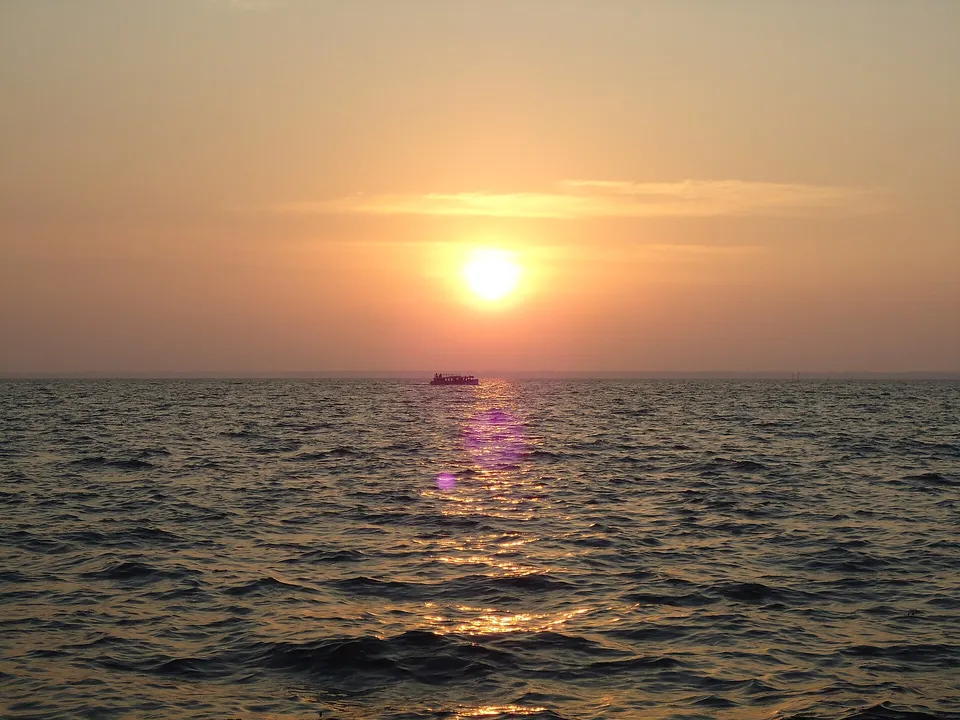
Sunset over Kumarakom’s backwaters · rajaraman sundaram · CC BY 3.0
Backwater panorama near Kumarakom Bird Sanctuary · Vis M · CC BY-SA 4.0
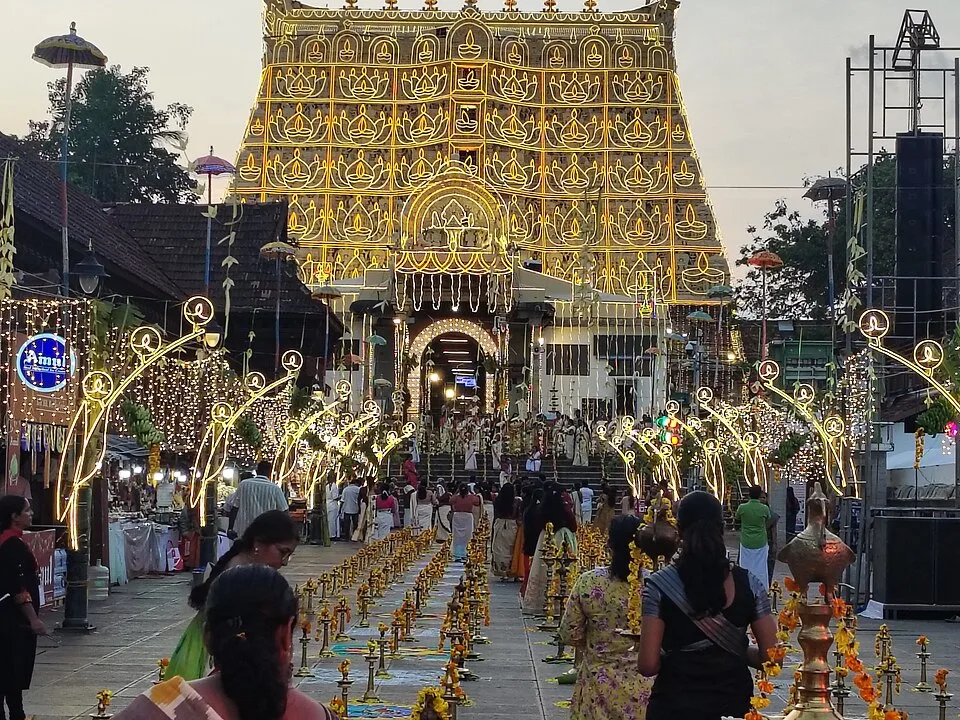
Vaikom Mahadeva Temple today · Ganesh Mohan T · CC BY-SA 4.0
Houseboat on the backwaters at Kumarakom · Lenish at English Wikipedia · CC BY-SA 3.0
Ettumanoor Mahadeva Temple · Hari vaikom(harish) · CC BY-SA 4.0
Illikkal Kallu in Kottayam’s eastern hills · Hciteam1 · CC BY-SA 4.0
Poonjar Palace · Ganesh Mohan T · CC BY-SA 4.0
Marmala Waterfalls near Teekoy · athulvis · CC BY-SA 4.0
Entrance to CMS College, Kottayam · Vis M · CC BY-SA 4.0
Rubber plantation at Ponpally, Kottayam · Vis M · CC BY-SA 4.0
Rubber tree at the Rubber Board, Kottayam, photographed in 2014 · Vis M · CC BY-SA 4.0
Kottayam Cheriapally · Anil R · CC BY 2.0
Venue: Sree Padmanabhaswamy Temple · Manukrishnan80 · CC BY-SA 4.0
Venue: Oachira temple grounds · Akhilan · CC BY-SA 4.0
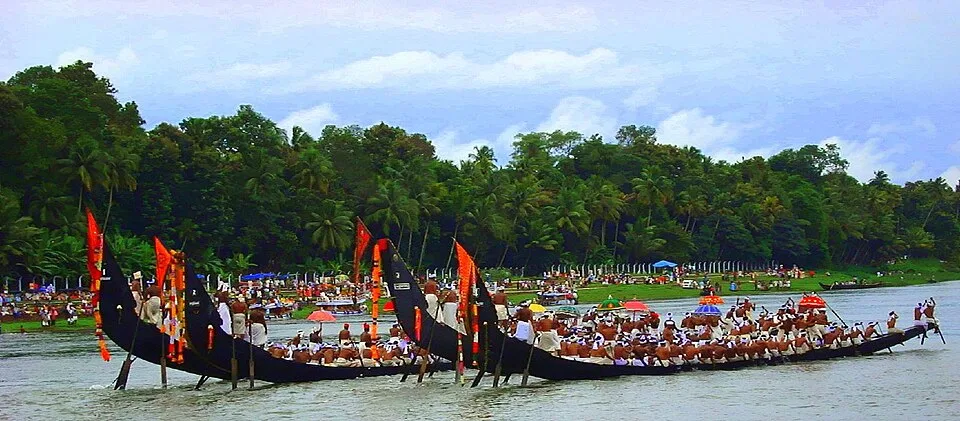
Aranmula Boat Race · Arun Sinha from India · CC BY 2.0
Nehru Trophy Boat Race · Manoj Karingamadathil · CC BY-SA 3.0
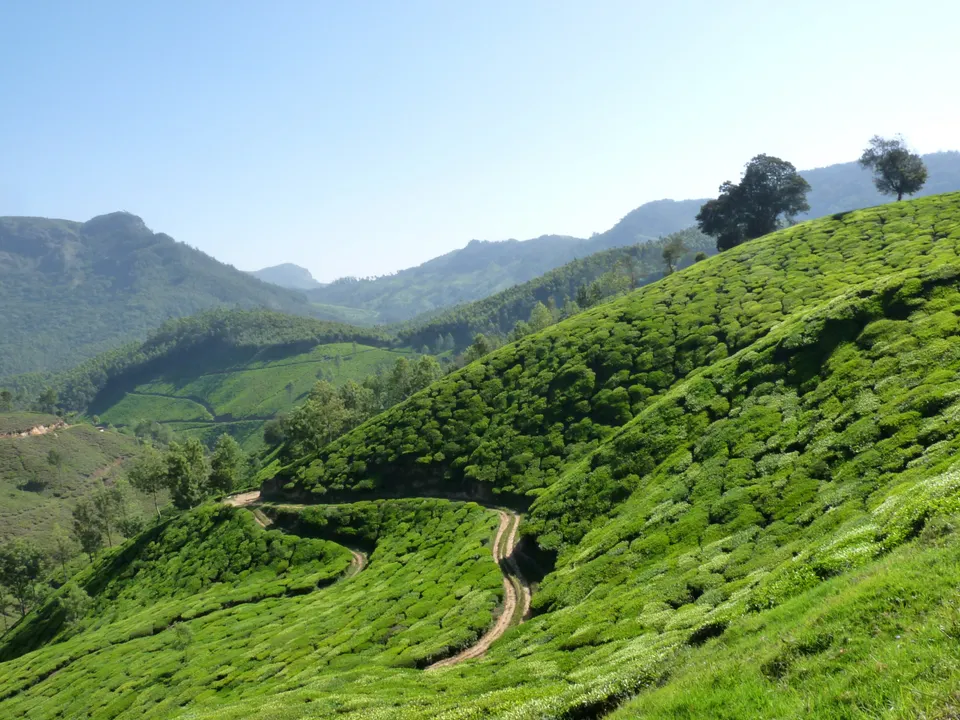
Green tea plantations and mountain slopes at Munnar · Jeevan Jose, Kerala, India · CC BY-SA 4.0
Crowds, ceremonial parasols and an elephant at Thrissur Pooram · Manikandan A V · CC BY-SA 4.0
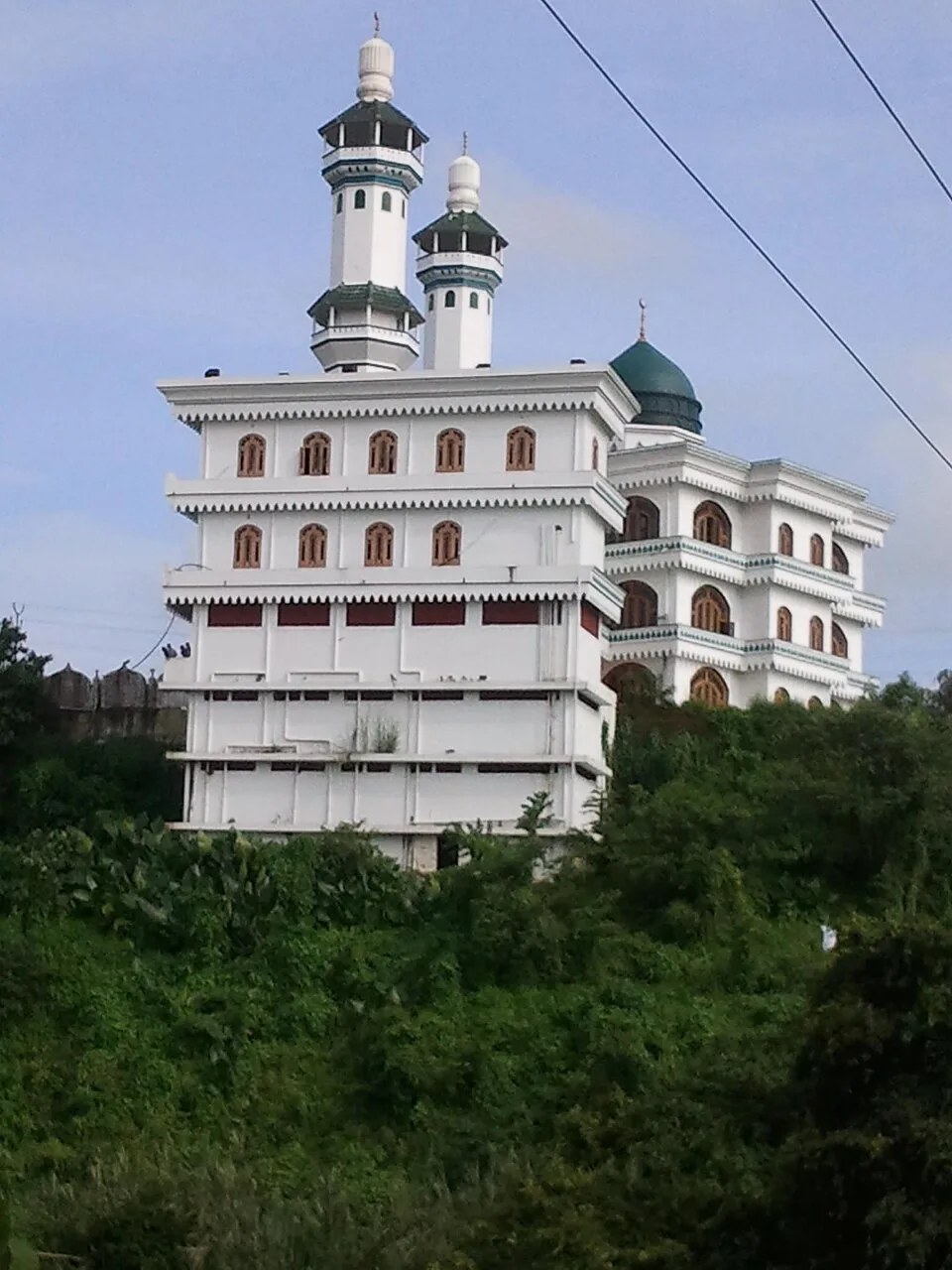
Mamburam mosque · Sidheeq · CC BY-SA 3.0
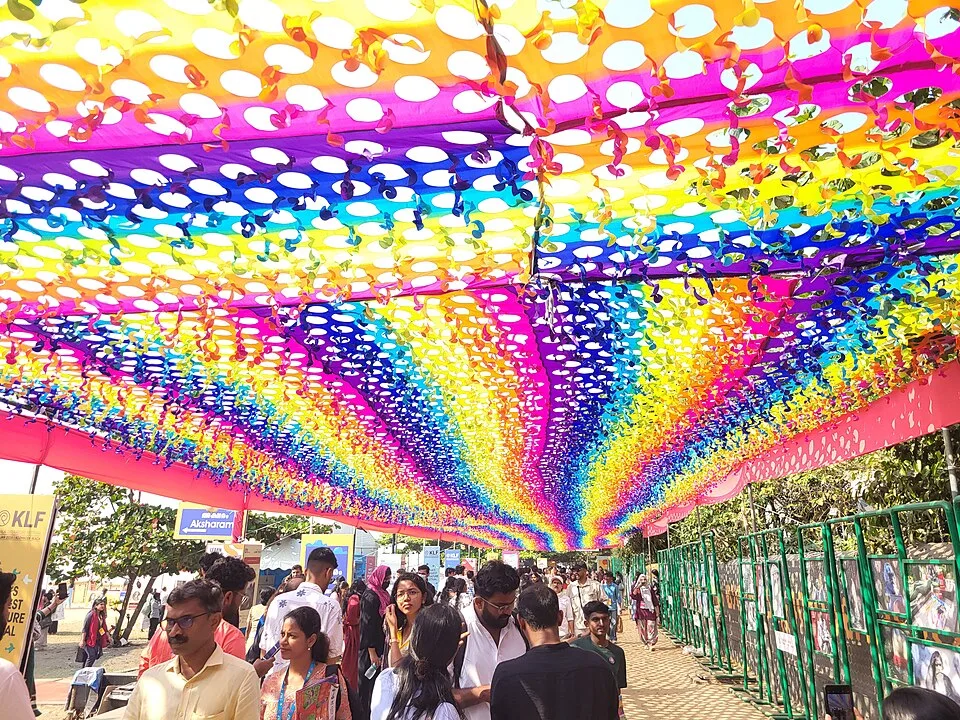
Kerala Literature Festival, Kozhikode · Athulvis · CC BY-SA 4.0
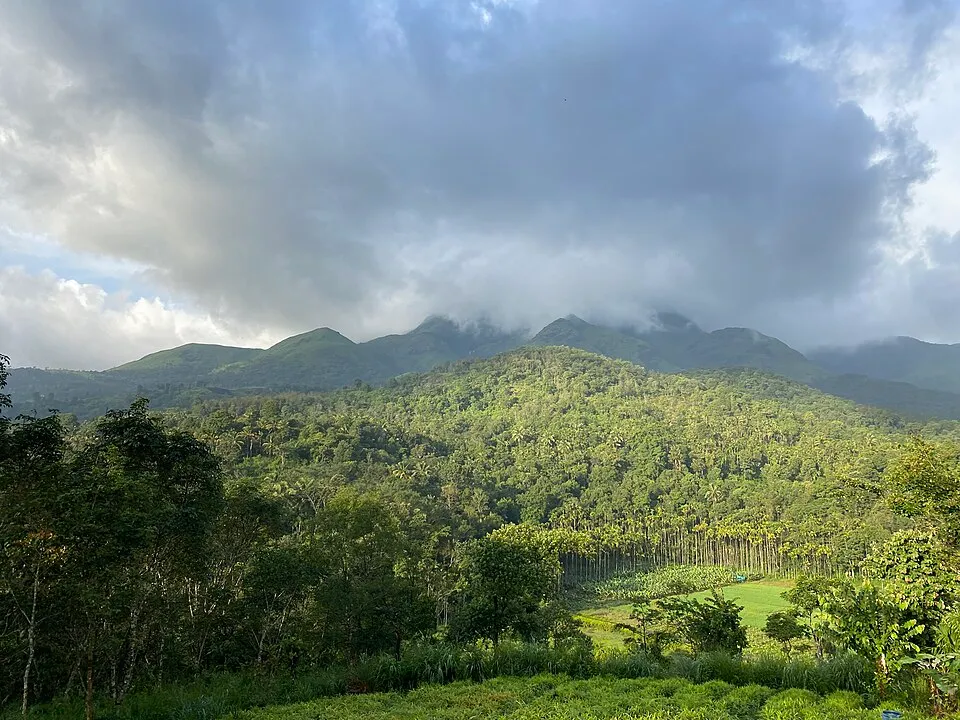
Banasura hills at Pulinjal, Wayanad · Vinayaraj · CC BY-SA 4.0
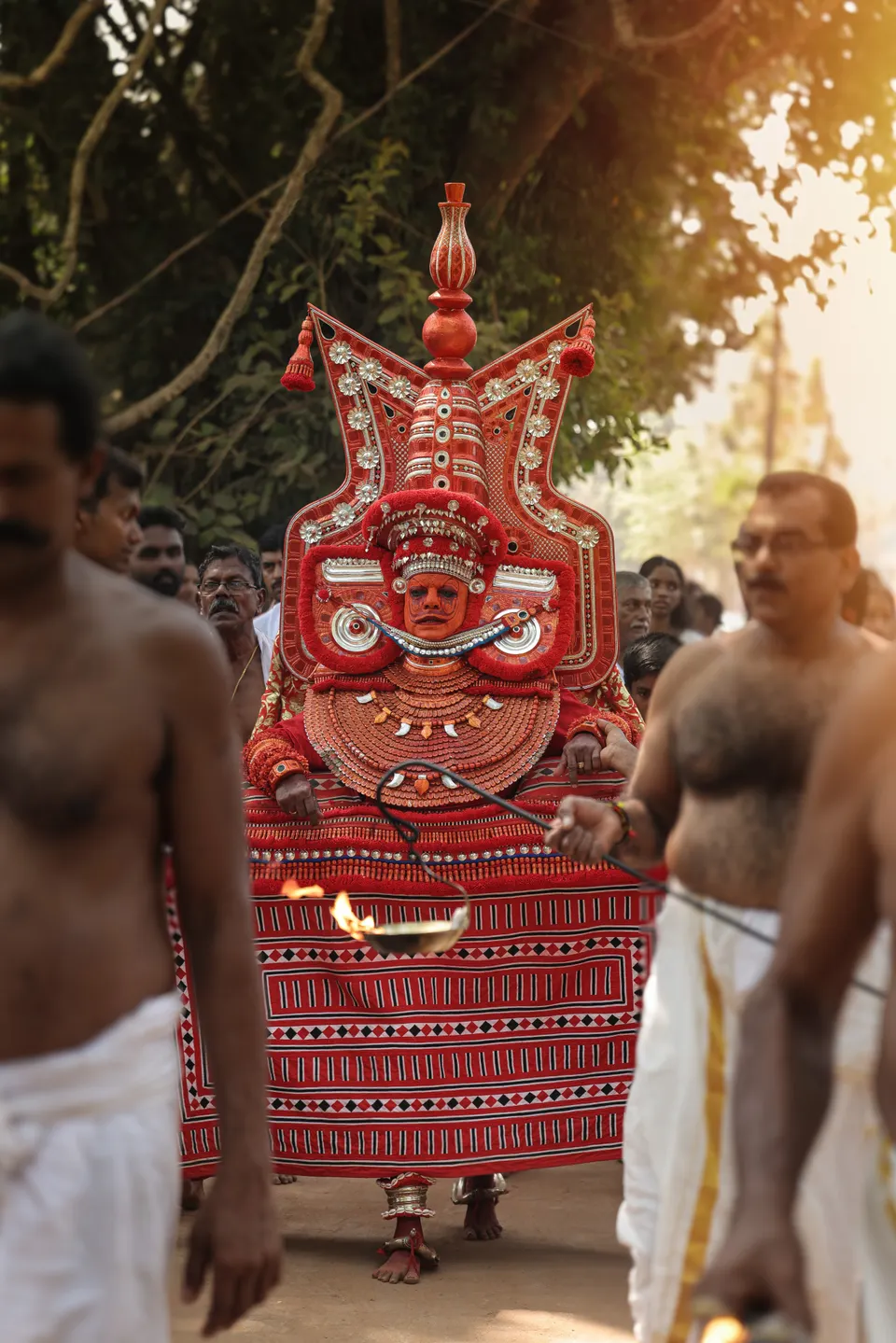
Athiralan Bhagavathi Theyyam at Andalur Kavu · Sai Shekar Kannur · CC BY-SA 4.0
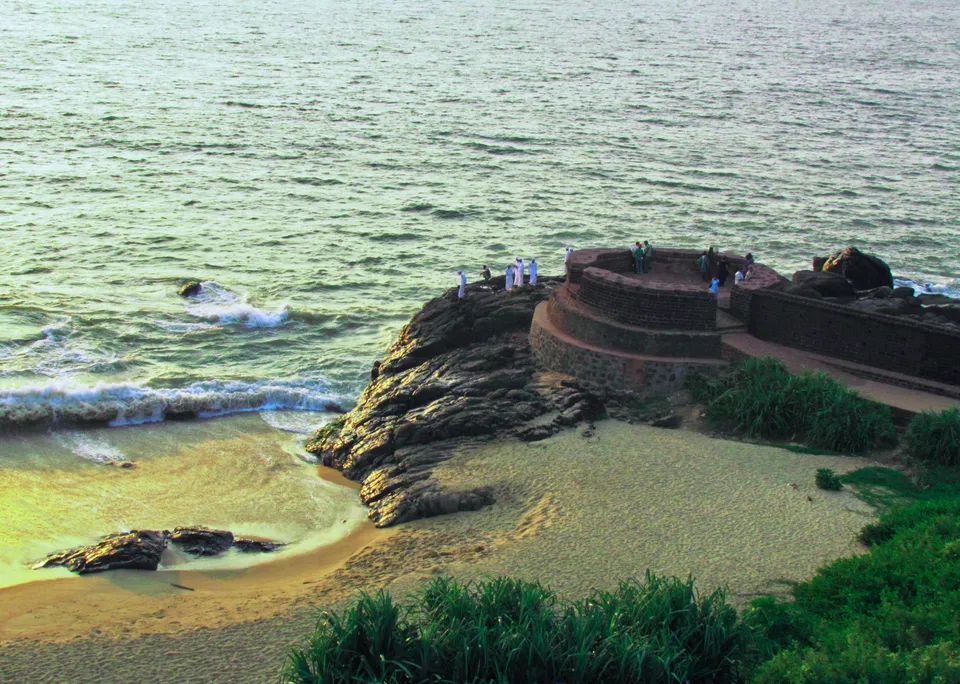
Bekal Fort, Kasaragod · Shafeeq Rahman · CC BY-SA 3.0
Chinese fishing nets at sunset, Fort Kochi · Rangan Datta Wiki · CC BY-SA 4.0
Paddy fields and hills at Kairady, Palakkad · ebin aliyas · CC BY 3.0
Licensed documentary photographs, resized and cropped. Not Kerala World-owned originals.



THE ESSENCE OF KOTTAYAM
The Vaikom Satyagraha
A struggle against caste-based exclusion from public roads. Learn about the campaign, its participants and the limits of its immediate settlement.
1924–1925
The campaign
T. K. Madhavan, K. P. Kesava Menon, K. Kelappan and others helped organise the struggle; Periyar participated, and Narayana Guru and Gandhi supported it.
Read the historical source ↗1925
Roads opened
The settlement opened three roads around the temple to previously excluded communities. The temple itself was not opened by this settlement.
Read the historical source ↗Later reforms
A longer journey
Temple-entry reforms were a later development. The movement’s road-access achievement should not be described as immediate temple entry or the end of caste inequality.
Read the historical source ↗The photograph shows Vaikom today; it is not an archival image of the movement.