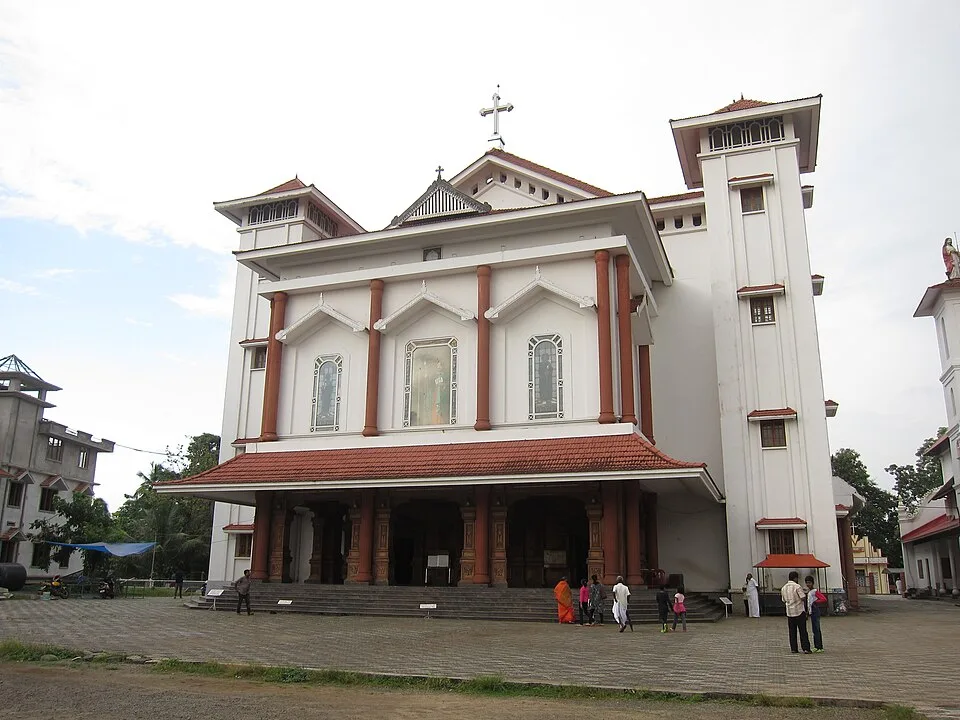
മരക്കുരിശുമേന്തി കുരിശുമുടി കയറുന്നത് ഭക്തിയുടെ ഭാഗമാകുന്ന വിശുദ്ധ തോമാശ്ലീഹയുമായി ബന്ധപ്പെട്ട തീർത്ഥാടനമാണ് മലയാറ്റൂർ പെരുന്നാൾ.
Source review 2026-11-27
Rituals in the source account
Prayer, the cross-bearing ascent and worship at the shrine form the documented core. An official 2026 video description also records devotional chanting, but a historic description should not be substituted for the parish’s full current liturgical programme.
Seasonal context · not a confirmed annual date
The feast is associated with the Sunday after Easter; no future Gregorian date is calculated here.
Documented history
Official tourism documentation places the feast at Malayattoor’s St Thomas shrine and identifies it as Puthunjayar, associated with the Sunday following Easter. It documents the living pilgrimage without proving the date of the apostle’s arrival or the foundation of the first church.
What makes it distinct
The journey up the hill is itself part of the offering: devotees carry wooden crosses of differing sizes and pray during the ascent. The village’s role in receiving pilgrims connects the hill shrine with the surrounding parish community.
Community context
The St Thomas Catholic shrine community, pilgrims and local residents supporting the observance.
Beliefs, folklore & attributed traditions
Accounts that St Thomas prayed on the hill and left sacred imprints are traditions of the shrine. They are attributed here as belief, not independently established first-century historical evidence.
Venue
Malayattoor / Kurisumudi, എറണാകുളം.
Annual editions
The permanent history is separate from each year’s programme. Dates are shown only with a dated source; an old seasonal pattern is not a confirmed future date.
വാർഷിക തീയതികൾ ലഭ്യമല്ല.
Ritual documentation
Cross-bearing ascent of Kurisumudi കുരിശുമേന്തിയുള്ള കുരിശുമുടി കയറ്റം
venue
Malayattoor / Kurisumudi, എറണാകുളം.
explanation
Pilgrims carry wooden crosses of differing sizes while ascending Malayattoor’s hill shrine, praying as they climb. The official tourism descriptions identify the ascent itself as an act of devotion, rather than only a means of reaching the church.
significance
The wooden cross and the physical journey express faith and penance in the shrine’s pilgrimage tradition. An official 2026 description also records devotional chanting during the ascent.
research gaps
The shrine should confirm contemporary paths, liturgical services and pilgrimage arrangements. No required cross size, individual vow or universal participant practice is assumed.
beliefs folklore
The association with St Thomas praying on the hill belongs to the shrine’s sacred tradition. Attributed footprints and apostolic-arrival narratives are not presented as independently demonstrated historical evidence.
sequence context
Part of the pilgrimage associated with the feast of Puthunjayar. No complete procession order, fixed departure time or numbered ritual position is documented here.
current programme
This describes a documented practice, not a confirmed schedule or invitation for a future edition.
documented history
Kerala Tourism’s pilgrimage account and official video description document this practice. They do not establish an independently verified first-century date for the custom.
sequence number note
Zero means no ordinal position in a complete ritual sequence has been established. Day numbers or opening/closing descriptions are retained separately as context.
Malayattoor Perunnal ↗Kerala Tourism, Government of Kerala · Puthunjayar, Sunday after Easter and cross-bearing ascent · Accessed 2026-11-27
licensed photography · Venue: St. Thomas Church at the foot of Malayattoor hill · 2017-08-01 Shijan Kaakkara · CC BY-SA 4.0 https://creativecommons.org/licenses/by-sa/4.0 · Resized to WebP; displayed with a responsive crop. Source licence retained. · Licence ↗ · 2017-08-01
Source notes
Malayattoor Perunnal ↗Kerala Tourism, Government of Kerala · Puthunjayar, Sunday after Easter and cross-bearing ascent · Accessed 2026-11-27
Malayattoor Perunnal ↗Ministry of Tourism, Government of India; Kerala Tourism-supplied content · Venue, attributed St Thomas tradition and historical-edition disclaimer · Accessed 2026-11-27